








Well health organic ayurveda Over the past years, there has been a trend of people shifting towards a natural health way and the use of natural wellness systems. Ayurveda is one of such and has acquired much popularity due to its holistic nature of health. Well health organic Ayurveda is based on the idea of natural remedies, organic foods, and harmonious lifestyle to sustain the well-being.
Ayurveda is believed to be one of the oldest systems of medicine in the world because it is believed to have originated in India thousands of years ago. It focuses on balance between the surroundings, body, and mind. Rather than treating illnesses Ayurveda is supposed to prevent illness and encourage long term health using natural processes.
With the ever increasing awareness of healthy living in India and the rest of the world, an increasing number of people are relying on Ayurvedic principles as the way of enhancing their lifestyle.
Also Read : wellhealthorganic stress management
What Is Ayurveda?
Ayurveda is an ancient medicine system in India which was developed over 3,000 years ago. The term Ayurveda is a combination of two Sanskrit terms, namely Ayur, which means life and Veda, meaning knowledge. The pair of them constitute the science of life.
The Ayurveda concept consists of the notion that good health is determined by the state of balance in the body and mind. The Ayurveda philosophy tells that each individual possesses a particular body constitution called dosha, which dictates their physical and mental attributes.
The three main doshas are:
- Vata – movement and energy
- Pitta– has to do with digestion and metabolism.
- Kapha – relates to stability and structure.
It is important to ensure that balance among these doshas is maintained to achieve a good health.
The Principles of Well Health Ayurveda Organic.
Well health organic Ayurveda is the idea, which incorporates the traditional Ayurvedic knowledge with the contemporary knowledge regarding organic living. It is concerned with the health upkeeping by means of natural and sustainable ways.
Key principles include:
- Eating organic and natural items.
- Applying natural medicines to health.
- Doing yoga and meditation.
- Having a balanced day to day activity.
- Favoring psychological and emotional well being.
Adhering to these principles, people will be able to facilitate natural healing and avoid most of the frequent ailments.
The Ayurvedic significance of Organic Nutrition.
In Ayurveda, food is given a primary place. This system states that diet has a direct effect on physical and mental health.
The special attention is paid to organic foods since they are cultivated without toxic pesticides, synthetic fertilizers, or other chemical additives.
Benefits of Organic Foods
Organic foods have a number of health benefits:
- Higher nutritional value
- Fewer harmful chemicals
- Improved digestive aid.
- Less negative impact on the environment.
Ayurveda promotes use of natural, fresh, and seasonal foods to bring about a body balance.
Ayurvedic Dietitian Regulations.
Some of the Ayurvedic dietary suggestions are:
- Consuming the meals that are freshly cooked.
- Eschewing highly food additives.
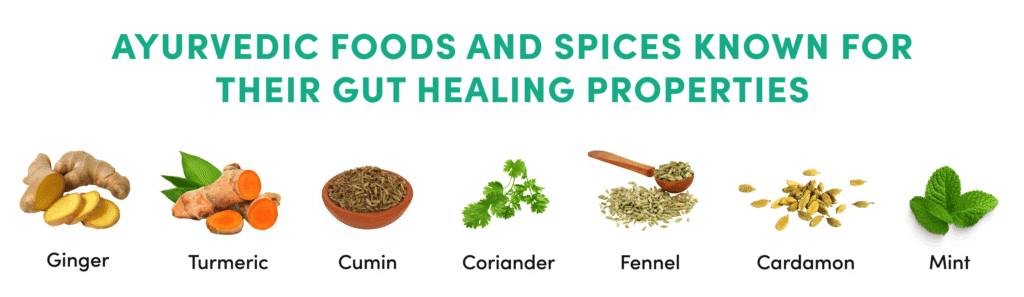
- Adding spices to improve the digestive system.
- Dining based on seasonal variations.
- The habits aid in enhancing digestion and health in general.
Ayurvedic Natural remedies and Ayurvedic Herbs.
Ayurvedic treatment involves the use of herbs medicine. Since ancient times, there are a lot of herbs that were used to help in immunity, digestion, and mental clarity.
Popular Ayurvedic Herbs
Ayurvedic herbs that are commonly used are:
- Turmeric
- Turmeric is an anti-inflammatory and antioxidant and helps in immunity and general well-being.
- Ashwagandha
- The herb is common in stress treatment and bringing about an increase in energy levels.
- Tulsi (Holy Basil)
- Tulsi has been appreciated as one that increases immunity and respiratory health.
- Amla (Indian Gooseberry)
- Amla also contains vitamin C and aids in digestion, skin condition as well as immunity.
- These herbs can be taken as teas, powders, or supplements as Ayurvedic wellness practices.
Ayurvedic Lifestyle of Yoga and Meditation.
Ayurveda lays stress on the state of mind in addition to the physical well-being. Yoga, meditation practices are advised to ensure that there is a balance between mind and body.
Benefits of Yoga
Yoga is useful in enhancing flexibility and strength, and improving breathing and decreasing stress and anxiety. It helps in enhancing digestion and circulation as well.
Benefits of Meditation
Meditation enables one to relax their minds and enhance concentration. Meditation helps to alleviate stress, enhance emotional stability and inner peace.
Yoga and meditation are the two methods that combine and form a strong basis of the balanced lifestyle.
Daily Routine in Ayurveda
Ayurveda emphasizes much on day-to-day practices, which are referred to as Dinacharya. It is also a regular routine that can be used to control the body functions and balance in general.
Morning Habits
An Ayurvedic morning regime can consist of:
- Waking up early
- Drinking warm water
- Stretching out or doing yoga.
- Breathing or meditation.
The habits assist in reviving the body and setting the mind ready to the day.
Healthy Eating Schedule
Ayurveda advises people to eat at regular intervals and prevent excess consumption of food. Lunch is usually thought to be the most significant meal of the day since the digestive power is the greatest in the middle of the day.
Evening Relaxation
Light stretching, meditation or reading in the evening is a type of relaxing activity that enables the body to rest and sleep well.
The Ayurvedic Detoxification.
Ayurveda also underlines that it is important to clean the body in order to eliminate toxins. This is referred to as detoxification.
The natural ways of detox can incorporate:
- Herbal teas
- Warm water with lemon
- Light and nutritious meals
- Adequate hydration
According to the traditional Ayurveda, certain detox treatments like Panchakarma are occasionally prescribed in order to normalize the balance.
Advantages of Well Health Organic Ayurveda.
Some health benefits can be achieved by following the Ayurvedic principles.
Improved Digestion
Ayurvedic eating patterns and spices are useful in making the digestion and the uptake of nutrients stronger.
Better Immunity
Herbs and organic foods are natural and they help in boosting the immune system and prevent disease.
Reduced Stress
Meditation and yoga are some of the practices that lead to emotional stability and calmness.
Natural Skin and Hair Care
Numerous Ayurvedic products enhance the skin and hair with the help of natural products.
Long-Term Wellness
Since Ayurveda is more preventive oriented, it assists people to be healthy and vital in the long run.
Ayurveda is gaining popularity in India.
Ayurveda has been since meant to be deep-rooted in the Indian culture but in the recent past there has been an increase in its popularity.
This trend can be explained by a number of factors:
- More awareness on natural health solutions.
- Increasing demand of organic food and herbal medicine.
- International acceptance of meditation and yoga.
- Disposition towards preventive healthcare.
This has led to an increase in the number of individuals trying Ayurvedic practices in order to have a better lifestyle.
Final Thoughts
Well health organic Ayurveda is an effective blend of ancient knowledge and new concepts of wellness. Ayurveda is a comprehensive health system, as its practice is based on the use of natural substances, nutritious diets, regular exercises, and psychological health.
In the modern world, where people have a busy lifestyle, a lot of them are seeking a means of balance in their lives. Ayurvedic principles offer feasible and sustainable ways of attaining this equilibrium.
The physical health and mental clarity of people can be enhanced through healthy habits of eating natural foods, doing yoga, eliminating stress and maintaining a balanced daily routine. Finally Ayurveda philosophy teaches us that it is the harmony between body, mind, and nature which leads to our wellness.