









With the world growing more and more dominated by mass production, digital noise and the disposable pleasure of fast consumption, there is a quiet revolution occurring. Even the modern consumers are becoming tired of the generic. They want more than a transaction; they are looking to find some kind of connection. This change of consciousness has given way to the niche brands and philosophies with a more quality-focused approach, a focus on storytelling, and sustainability. The name cadibara has been mumbled in the circles of designers and in the communities that have turned to sustainable living, and it is the leader of the pack in this new movement of sustainability.
Although the word may be a mystery to the layman, cadibara is an emerging philosophy of living on purpose. It goes beyond a name or a line of products; it is a natural experience between the ancient artisanal and the minimal lover of the present times. This article goes to the nth degree of understanding cadibara, its history, how it has affected contemporary life, and the reason as to why it is rapidly becoming the associated word with a new connotation of luxury.
The Origins: A Return to Roots
One needs to love the cultural soil on which it has thrived in a bid to know the lure of cadibara. The very name gives one a rhythm, a feeling of earthiness such that it is possible to hint a heritage that views the slow, painstaking making of objects as opposed to the fast-paced work of factories.
Cadibara has its origin in the fact that modernity has destroyed our connection to the physical world. We feel glass screens more than we feel wood, clay or fiber. This disconnection was something that the founders of the cadibara movement tried to correct. They went to distant villages, learned with great craftsmen, and plunged into the methods which have kept humanity alive centuries.
But, cadibara is not a question of replication. It is about translation. The brand incorporates the knowledge of the past, hand-weaving, organic dyeing processes, sustainable forestry, and transfers it to the language of the modern urban dweller. What has come out is a collection of goods and lifestyle philosophy that is at once timeless and remarkably present.
The Aesthetic of Cadibara: Noise in a Noisey World.
The aesthetic of cadibara can be described in a single word, which is grounded. Today when design seems to be clamoring at our ears with its bright colors and disorganized designs, cadibara whispers.
The aesthetic of the brand is based on a colour scheme inspired by the natural world: the dulled ochres of the fallen leaves, the dark charcoals of the burnt wood, the light creams of the unbleached linen. It is not a mere coincidence that this decision has been made. Our stress levels have been shown to be directly influenced by our environments by neuroscience. The cadibara style is intended to be an aesthetic refuge. You enter a room with elements of cadibara in it, and your life pace appears decreased. The messiness of the exterior world subdues and it gives way to order and calmness.
This is an aesthetic that is beyond color palettes. It appears in the textures which characterize the products. The unpolished nature of a ceramic vase thrown by hand, the comfort and age-worn feeling of an organic cotton blanket, the cool and smooth feel of a sustainably sourced wooden bowl. These are touch experiences that the cadibara promise focuses on. They remind us of the fact that we are physical beings in a physical world and implore us to touch, to feel and to be.
The Philosophy of Slow Consumption.
Cadibara is centrally concerned with a strong economic and moral indictment on the modern world: the denial of planned obsolescence. The fast fashion and fast furniture industry are based on the principle of buy, use short and dispose. Such a model is lucrative to the company yet catastrophic to the earth and the human soul.
Another alternative is postulated by Cadibara: “Slow Consumption.” This philosophy promotes the idea of the consumer purchasing fewer, yet purchasing better products. All the products of the cadibara brand are expected to serve the life-long or even longer. The brand upholds the idea of heirloom quality. Cadibara piece is not a commodity that can be thrown away, it is an object of the future, something that needs to be treasured, worn and finally handed over to the other generation.
This transformation demands change of attitude. It questions the consumer to think of the lifecycle of an item prior to buying it. What were the sources of the materials? Who made it? And what becomes of it when I get through with it? The cadibara community is creating a more conscious relationship with material things by posing these questions. It turns the process of shopping into a reflexive dopamine rush as opposed to a calculated investment in quality of life.
Sustainability: It’s not a Trend, It’s a Standard.
Nowadays in the 21 st century, virtually all brands are so-called sustainable. It has been reduced to a marketing buzzword, which has been drained out. Sustainability, however, is no longer a selling point of cadibara, it is the beginning point.
Cadibara has a radically transparent supply chain. The brand has a soil to soul system. This implies that they follow their materials to the source and all processes of production process respect the environment. As an illustration, their textile collection uses natural colors that are based on indigo, madder root and pomegranate skins and does not involve the toxic chemical runoff involved in the production of traditional textiles. Their wood products are also reforested where one tree cut is replaced by three trees.
Also, cadibara adopts the Japanese wabi-sabi concept of imperfection. In an existence that is obsessed with perfect homogeneity, cadibara glorifies the knots in the wood, the tiny differences in the weave, the natural flaws that there must have been a human hand that touched it. This devotion to authenticity is sustainable in nature. It implies that there will be less wastage of resources in discarding the items that are not up to a robotic standard of perfection. It teaches the consumer to love the object due to its peculiarity.
The Cadibara Home: A Home.
What is the way of integrating cadibara into day to day life? The brand has gained the most recognition in terms of its impact on interior design. One of the ideas that have become popular among architects and designers interested in designing the spaces that foster mental well-being is the so-called Cadibara Home.
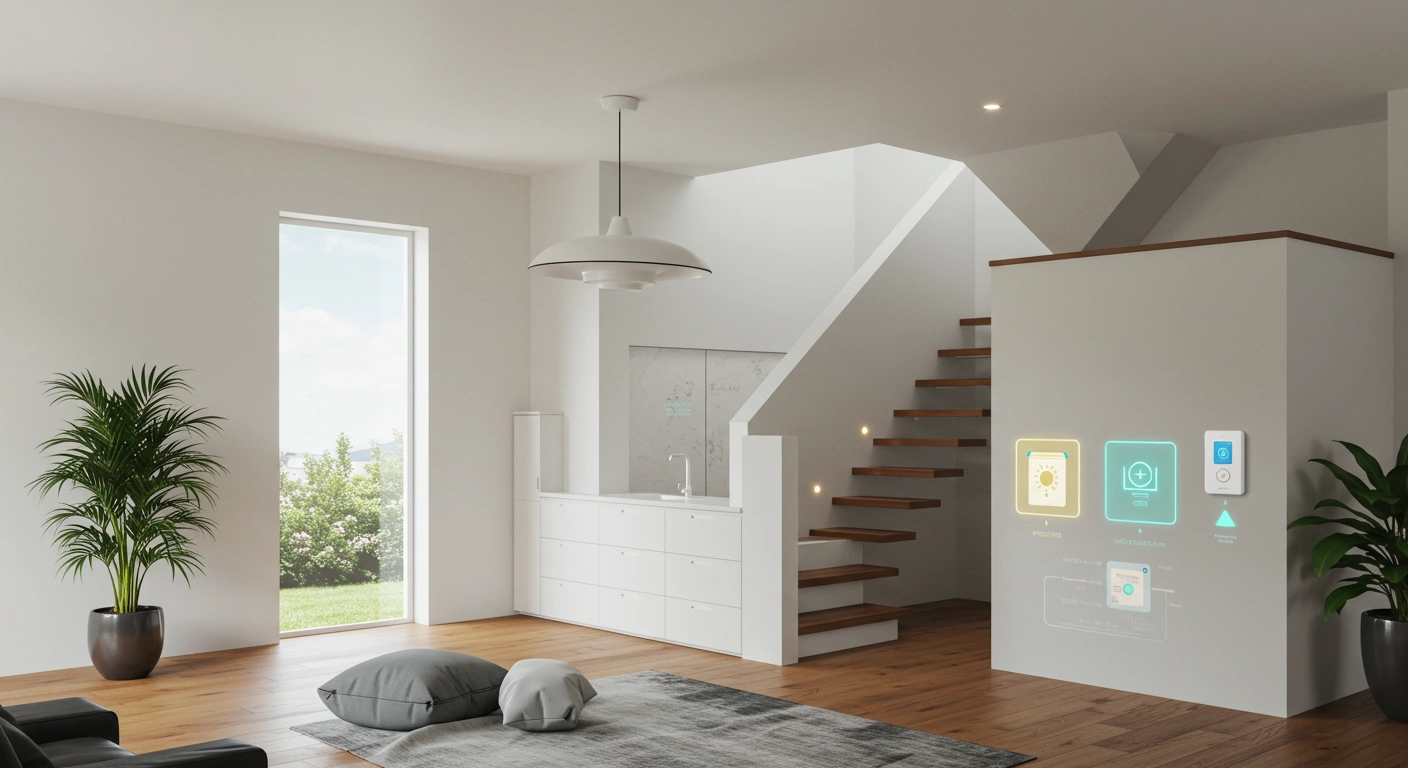
A cadibara home is not cluttered in a sterile, hospital style manner, rather it is a style that elicits space in which to live. It is the act of denying the unimportant to bring out the significant. Consider an example of a living room in which one statement cadibara armchair has made the statement. There are no knick-knacks around it, but breathing room. Light is passing through linen curtains, and the dust motes are trapped in a golden haze.
This style of designing the home is concerned with the production of a soft landing amid the severity of the external world. It is of creating the space in which authentic contact can occur, conversation areas facing each other instead of facing the television, dining tables where meals can be spent long and lingering. Cadibara realizes how our real world influences our inner worlds. The brand is making the society less anxious and more interconnected by producing homes that value peace.
The Community: A Tribe of Makers and Seekers.
Without people, there is nothing such as brand and the community that has formed around cadibara is distinctive. It is a rich mix of artisans, designers, environmentalists and common people in search of purpose.
The social media and forums about the cadibara lifestyle are ablaze with activity, except without the vanity posts that are prevalent on other sites. Rather, you will discover classes on how to maintain natural wood, talks on history of pottery and forums on exchanging restoration tips. The brand has been able to create an educational and stewardship culture.
Cadibara too has initiated a program known as the Maker Collective. Through this program, it collaborates with up-and-coming artists who belong to underrepresented communities to display their work to the international community. Through investing in the makers of the future generation, cadibara will be able to keep the traditions of makers alive. They are not only making a legacy, but a support system to the creators that make the world beautiful.
Economics of Beauty: Why We Pay Quality.
Critics may complain that the cadibara strategy is snooty, and high quality, hand crafted products are a luxury of the rich. Although it is factual that a cadibara work would cost more initially than a mass-produced one, the economics of the long-run is in a different picture.
This is the principle of cost per wear or cost per use. A particle-board bookshelf could take two years before it requires a replacement due to the tendency of the shelf to sag. A good quality wood cadibara bookshelf has a lifetime of fifty years. In the long-run, the quality returns on its own investments. In addition, the ecological impact of the low-priced product, which involves disposal in the landfill on several occasions during its lifetime, is much greater.
Cadibara is working hard to inform the consumers of this economic fact. They are liberating quality through access to repair and restoration kits. They enable the owners to repair their possessions instead of discarding them. It is an extreme philosophy of consumer economy that is founded on disposability, and the right to repair.
The Digital Expansion: A look into the Future.
It is intriguing to see how the company builds on the future of a physical world-based brand, cadibara, in the digital era. However, strangely enough, they are not replacing but actually making the human experience better with the help of technology.
There is a rumor of a new platform by cadibara that uses the Augmented Reality (AR) to create digital. This would enable the customers to see the appearance of a piece of furniture or art in the real place of their residence before buying it. This will help minimize the chances of returns- which is a huge waste as far as the retail business is concerned and the customer is guaranteed of the ideal fit in his or her home.
Also, cadibara is using digital archives. They are establishing an online library of their patterns, designs, and techniques. This open source model can be used to safeguard the knowledge they have in their products to the future. It is a present to the future as it will make sure the brand is able to develop even though it will be able to keep the knowledge it has developed and that will be available to everyone.
Psychological Effect of Intended Space.
Besides the aesthetics and economics, there exists the deep psychological aspect to the cadibara lifestyle. Our generation is faced with cognitive overload. Notifications and adverts and the sheer speed of the information age break our focus.
A cadibara environment in this case comes as a mental reload. Natural environments with minimalist environments have been shown to reduce cortisol, increase focus, and creativity. A decreased amount of visual noise increases the mental capacity to think, be creative and human with one another.
The brand is a very good method of mental hygiene. Similarly to brushing our teeth in order to take care of our oral health, making our living spaces mindful is a mental health care. This hygiene is furnished by Cadibara. Being surrounded with beauty, quiet, and quality is a radical way to take care of oneself.
Jim Crow Museum: The Social History of Jim Crow.
To sum up, cadibara is not just a word to be typed in a search engine, it is a philosophy that must be practiced. It is a radicalization of our cultural values: the abandonment of the frantic, disposable culture of the late 20th century and the embrace of the values of purpose, sustainability and artisanship of the future.
Cadibara provides a guide, whether you are redesigning your house, reconsidering your clothes, or just need to take the time to slow down your life. It teaches us that being luxurious is not about what we have surplus of; it is about what is essential. It helps us to understand that the objects we surround ourselves with tell a story and we are in a position to decide what that story is.
Going into a rather unpredictable future, the values of cadibara, mindfulness, quality, sustainability, and connection will become even more important. They are the pillars which keep us firm in the tempest. Through the cadibara way we are not simply purchasing products, we are making an investment in a more improved world, one handcrafted piece at a time. We are making the choice that we are going to live in a world where beauty, integrity and humanity are the baseline on which all things are evaluated. And there the promise which is everlasting of cadibara.