



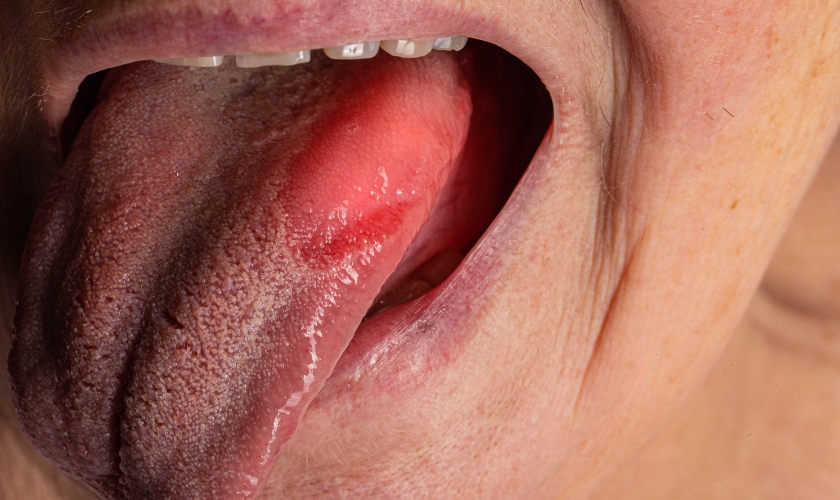
When black spots appear on the tongue, this may be shocking and even alarming. These spots are usually non-infectious and temporary in most instances though in some cases, they may give an indication of a health complication that must be addressed. The knowledge of the factors that cause tongue discoloration may assist you in defining whether the problem is a small one or a medical concern.
The tongue is important in digesting, tasting and speaking. Any change in its colour or texture tends to be an indicator of a change in the state of oral care, the diet or general health. Black Hairy Tongue is one of the conditions that is normally related to dark spots on the tongue that happens when the tiny structures on the tongue are elongated and hold bacteria or debris.
This paper describes the potential reasons of tongue spots black, the treatment, and when to consult the doctor.
Concepts of the Normal Appearance of the Tongue.
The tongue is commonly pink and covered with a thin layer of white material and tiny swellings referred to as papillae. These papillae have taste buds that are used to sense flavours.
The alterations in the tongue color may take place as a result of:
- Food or drink staining
- Bacterial growth
- Medication side effects
- Medical conditions
The black spots or patches can be in the form of small dots, dark spots or an applied coating on some regions of the tongue.
Usually black spots on the tongue are caused by the following.
Black spots on the tongue may occur because of a number of reasons. Majority of the causes are non-harmful and can be treated through simple lifestyle adjustments.
1. Black Hairy Tongue
Black Hairy Tongue is considered as one of the most frequent causes of black discoloration of the tongue.
The condition is present when tongue papillae become longer than usual and become traps of food, bacteria, or yeast. Such confined materials may make the tongue look black, brown or dark green.
Common triggers include:
- Poor oral hygiene
- Smoking or tobacco use
- Consumption of more coffee or tea.
- Certain medications
Black hairy tongue usually is temporary and harmless as it may appear worrying.
2. Poor Oral Hygiene
Failure to brush the tongue on a regular basis may cause accumulation of bacteria and debris. This accumulation could in the long run lead to dark spots or patches on the tongue.
The simplest method to avoid the discoloration of tongue is by keeping the mouth clean.
3. Tobacco Use
Tobacco smoking or chewing has the ability to cause dark spots or patches on the tongue.
The development of the bacteria in the mouth is also influenced by tobacco products, and it is more likely to be shortened in case of discoloration.
4. Medications
Drugs may change the color of the tongue. As an example, some antibiotics/medications with Bismuth can contribute to the dark staining on the tongue that is temporary.
These modifications tend to vanish after the withdrawal of the medication.
5. Fungal Infections
Some of the instances are associated with oral infections like the Oral Thrush, which is a fungal infection that occurs due to the growth of yeast in the mouth.
Even though the appearance of thrush is generally white, it may result in other dark discolouration in the presence of bacteria or debris.
6. Hyperpigmentation
Dark spots on the tongue may also be brought about by natural pigmentation. Others are naturally dark because of the high production of melanin.
In most cases, this form of pigmentation is non-treatable and non-hazardous.
7. Dietary Factors
Due to some foods and drinks, a temporary stain can be produced on the tongue.
Examples include:
- Coffee
- Tea
- Dark-colored candies
- Blueberries
Artificial food coloring
Such stains tend to remove during brushing or rinsing of the mouth.
Symptoms Black Tongue Spots Symptoms This condition is characterized by numerous white spots in the tongue that look black because of iron deficiency.<|human|>Symptoms Black Tongue Spots Contact This disease is a black spot, a condition where there are many white spots on the tongue which are black due to iron deficiency.
The black spots of the tongue can be accompanied by other symptoms and it depends on the cause.
The most frequent symptoms used to accompany it include:
- The tongue has a furry or a hairy look.
- Bad breath
- Altered taste
- Dry mouth
- Thick coating on the tongue
Medical assessment might be required in case of the presence of black spots and pain, swelling, or sore spots that are not healed.
Treatment of black spots in the tongue.
The therapy is based on the etiology. Luckily, most of them can be treated by merely modifying the daily routines.
1. Improve Oral Hygiene
The best measure to take is to keep good oral hygiene.
Practices that should be done daily include:
- Brushing teeth twice a day
- Cleansing the tongue with a scraper or brush.
- This can be done by applying antibacterial mouthwash.
- Flossing regularly
The habits assist in eliminating bacteria and debris in the tongue.
2. Stay Hydrated
Bacteria accumulation may be a result of dry mouth. Proper consumption of water ensures a healthy sense of balance of the bacteria in the mouth.
3. Avoid Tobacco
Cessation or a reduction of smoking and use of other tobacco products can have a significant effect on the health of the mouth and help avoid the discoloration of the tongue.
4. Adjust Diet
Restricting dark drinks like coffee and tea can be applied to lessen the staining on the tongue.
You can also rinse your mouth with water after taking such drinks.
5. Consult a Dentist or Doctor
In cases where the black spots continue to last several weeks or where they become more severe, the patient should seek the care of a healthcare expert.
It is possible to evaluate the condition as either a dentist or a doctor may determine whether it is associated with infections, medications, or other medical problems.
The Prevention of Black Spots on the tongue.
Prevention pays more attention to sound oral hygiene and healthy lifestyle practices.
Some preventative steps can be helpful and these include:
- Cleaning tongue on a regular basis.
- Drinking plenty of water
- Staying away of heavy consumption of tobacco.
- Going to the dentist to visit him or her.
- Maintaining a balanced diet
These practices are oral health and general wellness.
The questions asked most often are listed below:
1. What makes the tongue have black spots?
Black spots may be as a result of a number of factors; oral poor hygiene, tobacco consumption, food staining, medication side effects, or such conditions like Black Hairy Tongue.
2. Are black spots in the tongue harmful?
The black spots are in most situations benign and temporary. Nevertheless, when long-lasting or with pain or sores, a medical worker must consider them.
3. I have black spots on my tongue, how do I get them out?
In most cases, black spots can be removed through enhancing oral health, brushing the tongue, increasing the intake of water and avoiding tobacco.
4. Does the tongue get black spots as a result of food?
Yes. Some foods and drinks like coffee, tea and dark colored candies have a temporary stain on the tongue.
5. Should I call the doctor when I have black tongue spots?
A doctor or dentist should be contacted in case the spots persist beyond several weeks, are painful and have any symptoms such as swelling or sore.
6. Is it possible that drugs lead to a change in the color of the tongue?
Yes. The tongue can also temporarily be darkened due to some drugs that have Bismuth in them and some antibiotics.
7. Is the hairy tongue among black people contagious?
No. Black Hairy Tongue is not spread. It tends to be caused by bacteria accumulation or lifestyle and not by diffusion of infection.
Conclusion
Black spots in the tongue can be quite unappealing to the eyes but in most cases, the spots are harmless and can be treated with ease. Poor oral hygiene, dietary causes, poor oral health, and tobacco use are also some of the most common causes.
One can prevent tongue discoloration by maintaining a good oral hygiene, keeping hydrated, and avoiding bad habits. When the symptoms remain or become severe, it is advisable to see a medical practitioner who will diagnose and treat the patient accordingly.
Through observing oral health and embracing healthy lifestyles, a majority of the people can maintain their tongues hygienic, clean, and discoloration-free.