




Among the essential organs of the human body, there is the liver ds. It carries out hundreds of vital functions which aid in digesting, detoxing, metabolizing and staying healthy. When individuals enter the word liver DS, they are not in vain searching information that is associated with liver diseases, disorders or conditions that influence the work of liver.
Even though the abbreviation liver DS can be used in other contexts, it is most likely to be used in short as a part of liver disease, or liver disorders. These conditions may end up in mild inflammation of the liver or more severe issues that may be related to the functioning of the organ.
By learning about liver diseases and their causes and prevention methods, people can be able to take care of their health and preserve this important body part in a better fashion.
The liver performs some of the most important functions such as:
- The filtration of the blood toxins.
- To aid in breaking down fats, the production of the bile.
- Preservation of vitamins and minerals which are important nutrients.
- Controlling blood sugar level.
- Supporting metabolism
- Aiding the body to combat infections.
Liver has so many significant functions that it can be extremely affected by any condition, hence, this is a significant effect on the overall health.
What Does Liver DS Mean?
Liver DS can easily be understood to mean liver diseases or liver related health conditions. These conditions are experienced when the liver is either damaged, inflamed, or incapacitated of executing its usual functions.
Liver disorders can either develop slowly or develop abruptly as a result of infections or toxins and lifestyle.
The latter are some of the typical liver diseases:
- Fatty liver disease
- Hepatitis
- Liver fibrosis
- Cirrhosis
- Liver failure
All the conditions have different impacts on the liver, though most of them have common symptoms and risk factors.
Frequent Etiologies of hepatic disorders.
Liver disorders may occur due to a number of reasons. Lifestyle practices and the environment in most circumstances are significant in the welfare of the liver.
Toxic Drinking.
Alcoholism is amongst the most prevalent liver damage causes. In processing alcohol in the liver a number of toxic substances are produced which may cause damages to liver cells.
In the long run this damage can result in alcoholic fatty liver disease, hepatitis or cirrhosis.
Fatty Liver Disease
Fatty liver disease is a condition that is caused by excess amount of fat that accumulates in liver cells. The condition may occur among alcoholic and non-alcoholic people.
Non-alcoholic fatty liver disease has a tendency to be associated with obesity, diabetes, and high cholesterol.
Viral Infections
Some viruses may infect the liver resulting in inflammation. Hepatitis viruses are the most widespread causes of viral hepatitis which include hepatitis A and B, and hepatitis C.
Poor Diet and Obesity
Unhealthy dieting and high weight may lead to accumulation of fat within liver. In the long-run, it can cause liver inflammation and damage.
Exposure to Toxins
Some drugs, chemicals, and environmental toxins may destroy the liver when ingested in excessive quantities or with prolonged use.
Symptoms of Liver Disorders
Liver diseases do not bear any obvious symptoms at the initial stages. Nevertheless, with the further development of the liver damage, various warning symptoms might be observed.
Characteristic symptoms that are related to liver DS are:
- Fatigue and weakness
- Loss of appetite
- Nausea or vomiting
- Abdominal upper pain or discomfort.
- The eyes and skin turn yellow (jaundice).
- Dark urine
- Pitting edema of abdomen and legs.
When the symptoms are common then some medical assessment might be required to ascertain the cause.
The Diagnosis of Liver Disorders.
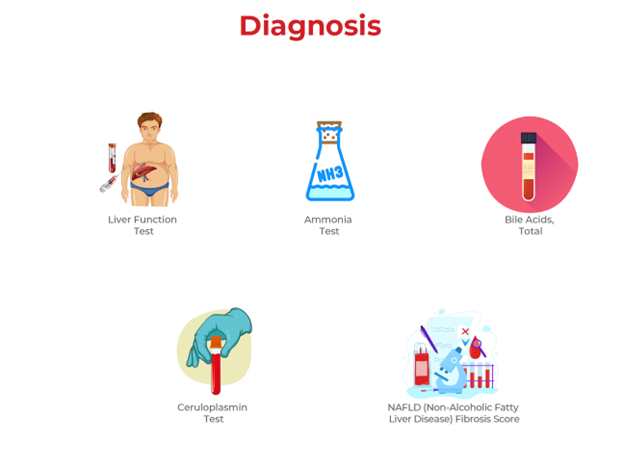
There are a number of ways through which doctors diagnose liver diseases. These tests are used in the identification of whether the liver is working correctly and whether there are any indications of damage.
Examples of common diagnosis tools are:
Blood Tests
Blood tests refer to the liver enzymes and other indicators that determine the efficiency of the liver.
Imaging Tests
Possibly, ultrasound, CT scans, or MRI scans can be performed to check the liver and identify abnormalities.
Liver Biopsy
There are instances where physicians might take a small piece of liver tissue which they can have examined in the laboratory. This aids in the degree of liver damage.
Diagnosis in early stages is relevant since many liver diseases can be controlled or treated better at early stages.
Liver Disorders: Treatment.
Therapy of liver DS is dependent on kind and extent of the condition. Lifestyle changes are significant in the enhancement of liver health in most instances.
Lifestyle Modifications
In the case of other diseases like fatty liver disease, physicians usually prescribe:
- Weight management
- Regular exercise
- Healthy diet
- Limiting alcohol intake
These modifications are capable of substantially enhancing the functioning of the liver with time.
Medications
Some liver diseases might need medication in order to manage the infection, decrease the inflammation, or treat other underlying factors.
As an illustration, antiviral drugs can be applied to hepatitis infection.
Medical Procedures
In extreme situations whereby the liver gets heavily damaged, there might be need in more sophisticated treatment.
Liver transplant can be taken into consideration when liver ceases to perform its functions.
How to Take Care of and Keep Your Liver Healthy.
Liver disorders are not that simple to treat, which usually makes their prevention easier. Liver disease can be averted by simple lifestyle changes that can be adopted.
Maintain a Balanced Diet
A healthy diet high in dietary fruits, vegetables, whole grains, and lean proteins contributes to the well-being of the liver.
Fat accumulation in the liver can be prevented by avoiding excessive sugar and processed food in addition to other unhealthy fats.
Exercise Regularly
Exercise will keep the body weight healthy and will lower the chances of having a fatty liver disease.
Limit Alcohol Consumption
Lessening the alcohol consumption prevents the liver cells to damage over the long run.
Eschew Unneeded Medical treatment.
Liver toxicity may be avoided by taking drugs only when needed and at the required doses.
Get Vaccinated
Viral liver infections can be inoculated against by hepatitis A and hepatitis B vaccination.
The Value of Periodic Health Examination.
Medical checkups are important in ensuring that liver issues are identified at an early stage. Physical examinations and blood tests may help to detect possible problems before they develop into severe problems.
Individuals at risk like those affected by obesity, diabetes, or those whose alcohol consumption history should be given special attention to the health of the liver.
Early diagnosis will enable the doctor to prescribe a change of lifestyle or treatment that can avoid additional harm.
Final Thoughts
Liver DS is an acronym that is commonly used to show liver diseases or disorders that impair the body to process toxins, control metabolism, and generally keep the body healthy. Since the liver has very many essential functions, it is necessary to protect the liver to achieve long-term well-being.
Knowledge on the causes, symptoms and prevention of liver disorders will aid in making better lifestyle decisions by the individuals. A healthy diet, exercise, alcohol in moderation, regular health checkups are all measures that help in liver health protection.
Conducting proactive care of the liver, individuals may help to lessen the likelihood of severe liver diseases and help their body to be in balance and keep its activity.